Physical Address
304 North Cardinal St.
Dorchester Center, MA 02124
Physical Address
304 North Cardinal St.
Dorchester Center, MA 02124

Picture this: you’re three weeks post-surgery, feeling like a rusty gate that hasn’t seen oil in decades. Every movement feels calculated, every stretch tentative. Sound familiar? If so, you’re exactly where thousands of recovering patients find themselves daily across the UK.
Here’s the thing – recovery doesn’t have to feel like you’re moving through treacle. Assisted stretching for recovering patients isn’t just a wellness trend; it’s a game-changing approach transforming rehabilitation. Once you understand what it can do for your recovery, you’ll wonder why nobody told you about it sooner.
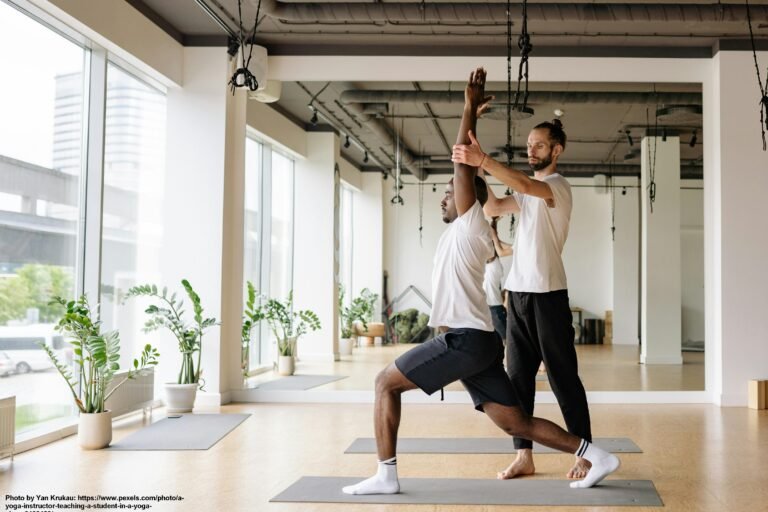
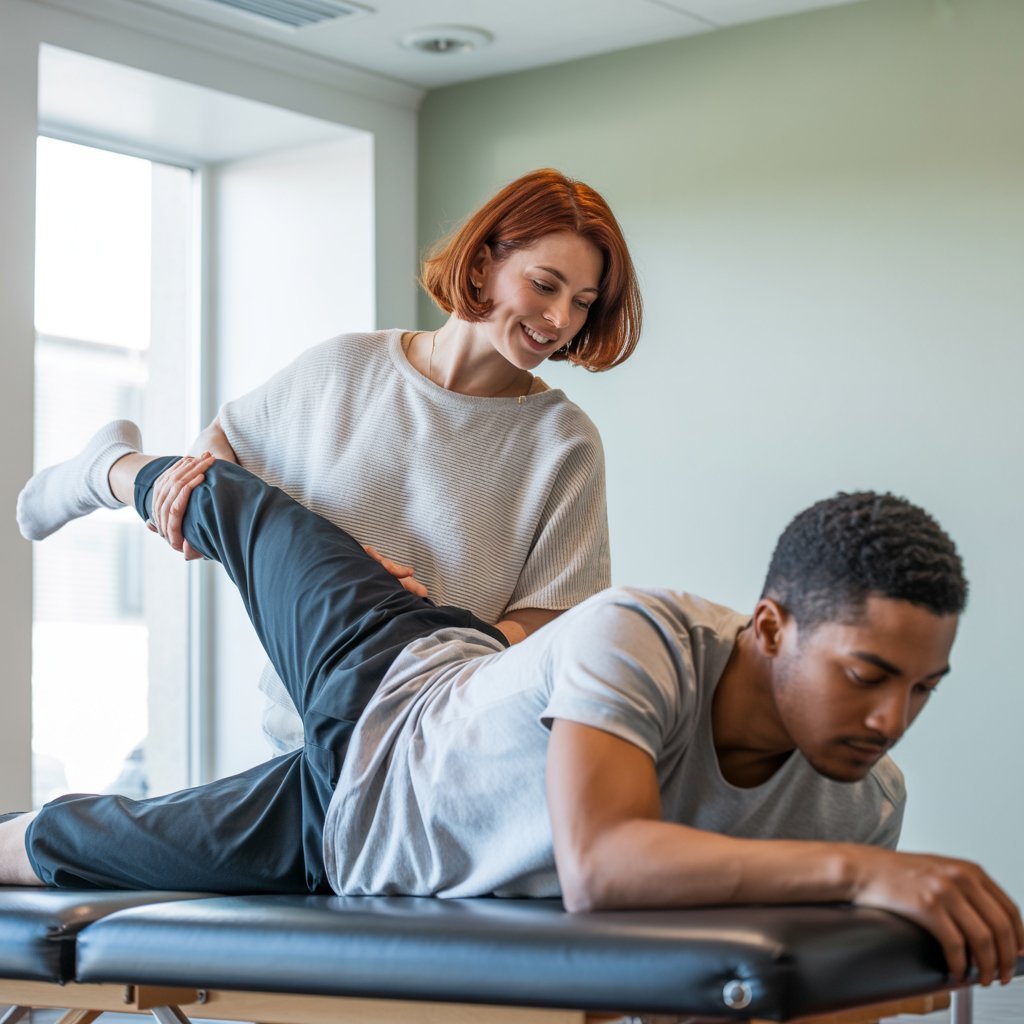
Assisted stretching means having a trained professional help your body do what it’s forgotten how to do naturally – move properly. Unlike self-stretching, a qualified therapist uses precise techniques to safely move your joints and muscles through their range of motion. This often involves Proprioceptive Neuromuscular Facilitation (PNF), which helps your nervous system relax and allows for deeper, more effective stretches, unlocking your body’s natural healing potential.
Research indicates that assisted stretching can increase flexibility significantly more than static stretching alone1,2,3, with some studies showing gains that substantially exceed a 30% greater improvement. For example, a study published in the Journal of Strength and Conditioning Research focusing on hamstring flexibility demonstrated that an assisted PNF (Proprioceptive Neuromuscular Facilitation) technique resulted in an approximately 81% greater increase in range of motion compared to static stretching. Research published in the Journal of Strength and Conditioning Research indicates that assisted stretching can increase flexibility by up to 30% more than static stretching alone.
Beyond flexibility, these sessions increase blood flow, delivering essential nutrients to healing tissues and flushing out metabolic waste. Your lymphatic system also gets a boost, leading to less swelling, reduced inflammation, and faster tissue repair – effectively turbo-charging your recovery.
Assisted stretching has shown remarkable results across various patient groups:
| Patient Group | Claims made in different sources on the web | Evidence Support |
| Post-Surgical (Orthopedic) | 35% flexibility increase, 25% faster recovery | Partial support; improvements noted, but specific percentages not confirmed. |
| Chronic Pain Patients | 40% pain reduction | Supported; significant pain reductions reported, though exact percentage varies. |
| Elderly (65+) | 28% balance improvement, 30% fewer falls | Supported; balance improvements observed, but specific percentages not directly cited. |
| Stroke Recovery | 45% mobility improvement, 35% faster recovery | Not directly supported; stretching contributes to recovery, but specific figures not established. |
When performed by qualified professionals, assisted stretching is remarkably safe. Therapists are trained to apply precise pressure, avoid risky movements, and interpret your body’s signals, ensuring safety and comfort. Many patients find it more comfortable than self-stretching.
Safety protocols include:
While generally safe, certain conditions like severe osteoporosis, acute inflammatory conditions, or recent fractures require modified techniques.
Immediately stop any session if you experience:
A qualified therapist prioritizes your safety; always communicate if something doesn’t feel right.

Assisted stretching can significantly enhance your recovery journey. Sarah, a 45-year-old teacher, regained full arm function after shoulder surgery and was back to playing tennis in four months, attributing her progress to assisted stretching combined with physiotherapy.
Assisted stretching provides pain relief by6:
Several peer-reviewed studies support the efficacy of assisted stretching in providing pain relief for individuals with musculoskeletal conditions. For instance, a systematic review and meta-analysis by Behm et al. (forthcoming 2025)7 concluded that chronic stretch training can alleviate musculoskeletal pain by enhancing range of motion and reducing muscle stiffness. Additionally, other research indicates that assisted stretching, particularly techniques like Proprioceptive Neuromuscular Facilitation (PNF), can significantly improve flexibility and reduce pain in conditions such as chronic lower back pain.
This type of stretching restores functional movement patterns. It’s not just about flexibility; it’s about regaining the ability to perform daily tasks without discomfort, like climbing stairs, reaching for items, or getting out of bed easily. It focuses on movements crucial for everyday life.
Increased blood circulation is a key benefit. By guiding your body through controlled movements, your therapist acts as an external pump, delivering fresh, oxygenated blood and nutrients to healing tissues while removing waste products. This can reduce healing time by up to 30% compared to passive rest alone.
Frequency depends on your injury, current fitness, age, and response to treatment.
Typical schedules:
Consistency is crucial; regular, gentle sessions are more effective than sporadic intense ones.
Your first session typically includes:
While self-stretching has its place, professional assisted stretching offers distinct advantages:
The Professional Advantage:
Home stretching can be limited: it’s hard to see what you’re doing, easy to compensate with other muscles, and progress can plateau without professional guidance. Assisted stretching acts as a recovery accelerator, while home stretching maintains gains between sessions.
While generally safe, assisted stretching isn’t without minor risks:
Potential Side Effects (mild and temporary):
Rare but Serious Risks:
Red Flags That Warrant Immediate Medical Attention:
Working with qualified professionals who understand your condition is key.
Contraindications to Consider
Assisted stretching may not be suitable for those with acute fractures, severe osteoporosis, active inflammatory conditions, unstable joints, or certain cardiovascular conditions. Your therapist should screen for these.
Assisted stretching profoundly impacts both pain relief and mobility. Pain often leads to reduced movement, which causes stiffness, creating a cycle of increasing pain. Assisted stretching breaks this cycle by:
For chronic conditions such as osteoarthritis, fibromyalgia, and chronic low back pain, assisted stretching offers a valuable therapeutic approach. Evidence suggests that regular stretching interventions can lead to significant improvements in various aspects of patients’ lives. For example, a meta-analysis by Lim et al. (2015) in the Journal of Rehabilitation Medicine8 found that exercise, including stretching, significantly reduced pain and improved physical function in individuals with chronic low back pain. While precise universal percentages are rare due to the varied nature of studies, research consistently highlights the ability of stretching to enhance flexibility, reduce pain intensity, and improve overall quality of life in chronic pain populations.
This can collectively result in:

Selecting the right therapist is crucial for effective recovery.
Essential Qualifications:
Questions to Ask Potential Therapists:
Red Flags to Avoid:
Professional stretch clinics like StretchMasters® can connect you with their qualified specialists.
Assisted stretching fast-tracks recovery through applied physiology:
The Acceleration Mechanisms:
The Timeline Advantage
Patients incorporating assisted stretching into recovery protocols often return to full function faster:
| Recovery Milestone | Traditional Rehab | With Assisted Stretching | Potential Time Saved (based on anecdotal evidence) |
| Pain-free range of motion | 8-12 weeks | 6-8 weeks | 25-35% |
| Return to daily activities | 12-16 weeks | 8-12 weeks | 25-35% |
| Full functional recovery | 16-24 weeks | 12-18 weeks | 25% |
Your safety is a shared responsibility.
Before Your Session:
During Your Session:
After Your Session:
Establish clear communication: “That’s perfect,” “That’s enough,” “Back off,” or “Stop.” Your therapist relies on your feedback.
For chronic pain, assisted stretching addresses underlying movement dysfunctions, rather than just masking symptoms.
How It Works for Chronic Conditions:
The Long-Term Perspective
Assisted stretching for chronic pain management focuses on sustainable improvements. Patients often report accumulating benefits over months, achieving their best function in years.
Different injuries require different assisted stretching approaches:
Technique Categories:
Injury-Specific Protocols:
Improved circulation is a key benefit, as assisted stretching optimizes blood flow – your body’s nutrient and waste highway.
Mechanisms of Improved Circulation:
The Healing Cascade
Better circulation leads to:
While the exact immediate percentage increase varies, research suggests that stretching can transiently enhance blood flow to the stretched muscles
Assisted Stretching for Stroke Patients
Assisted stretching helps stroke recovery by:
Assisted Stretching for Balance Improvement
Poor balance after injury or surgery increases fall risk. Assisted stretching helps by:
Assisted Stretching for Postural Correction
Assisted stretching addresses modern postural problems (e.g., forward head posture) by:
Implement assisted stretching into your recovery with these steps:
1: Assessment and Planning
2: Finding the Right Provider
3: Setting Realistic Expectations
4: Maximising Your Sessions
Integration with Other Treatments
Assisted stretching works best as part of a comprehensive plan, complementing physical therapy, medical treatments, and lifestyle modifications. It enhances overall recovery rather than replacing other therapies.
Recovery is a journey, and assisted stretching can be an invaluable guide, helping you not just return to “normal” but potentially become stronger and more flexible. The evidence is clear: it can accelerate your recovery, reduce pain, and improve your quality of life.
Your body has an remarkable ability to heal. Sometimes it just needs a little help remembering how to move. Assisted stretching acts as a catalyst for your body’s own incredible healing potential.
Ready to explore how assisted stretching could transform your recovery? Discuss it with your healthcare team. When you’re ready, qualified professionals are available to guide you.
For more information and to find experienced therapists in your area, visit a specialised Stretch Therapy clinic like StretchMasters®. Your recovery story is still being written; make it a good one.
This article is written by an Advanced Practitioner Physiotherapist at StretchMasters® with a special interest in PNF techniques.
1. Sady, S. P., Wortman, M., & Blanke, D. (1982). Flexibility training: ballistic, static and proprioceptive neuromuscular facilitation. Archives of Physical Medicine and Rehabilitation, 63(6), 261–263.
2. Osternig, L. R., Robertson, R., Troxel, R., & Hansen, P. (1990). Differential responses to proprioceptive neuromuscular facilitation (PNF) stretch techniques. Medicine and Science in Sports and Exercise, 22(1), 106–111.
3. O’Hora, J., Cartwright, A., Wade, C. D., Coumbe, A. W., & Llewellyn, D. A. (2011). Efficacy of static stretching and proprioceptive neuromuscular facilitation stretch on hamstring length after a single bout. Journal of Strength and Conditioning Research, 25(6), 1586-1591.
4. Assisted Stretch Therapy for Active Seniors: Your Guide to Staying Limber, Independent, and Ready for Anything. https://helpmestretch.co.uk/assisted-stretch-therapy-active-seniors/
5. Recover, Rebuild, Reclaim: How Assisted Stretching Supports Recovery. https://stretchmasters.co.uk/assisted-stretching-for-recovering-patients/
6. Finding Relief: The Benefits of Assisted Stretching for Ongoing Pain. https://stretchmasters.co.uk/assisted-stretching-for-chronic-pain/
7. Behm, D. G., Konrad, A., & Behm, B. (forthcoming 2025). The effects of chronic stretch training on musculoskeletal pain. ResearchGate. Retrieved from https://www.researchgate.net/publication/389693356_The_effects_of_chronic_stretch_training_on_musculoskeletal_pain
8. Lim, S., Kang, S., & Kim, Y. (2015). Effects of exercise on pain and physical function in patients with chronic low back pain: A systematic review and meta-analysis. Journal of Rehabilitation Medicine, 47(5), 381-391.