Physical Address
304 North Cardinal St.
Dorchester Center, MA 02124
Physical Address
304 North Cardinal St.
Dorchester Center, MA 02124
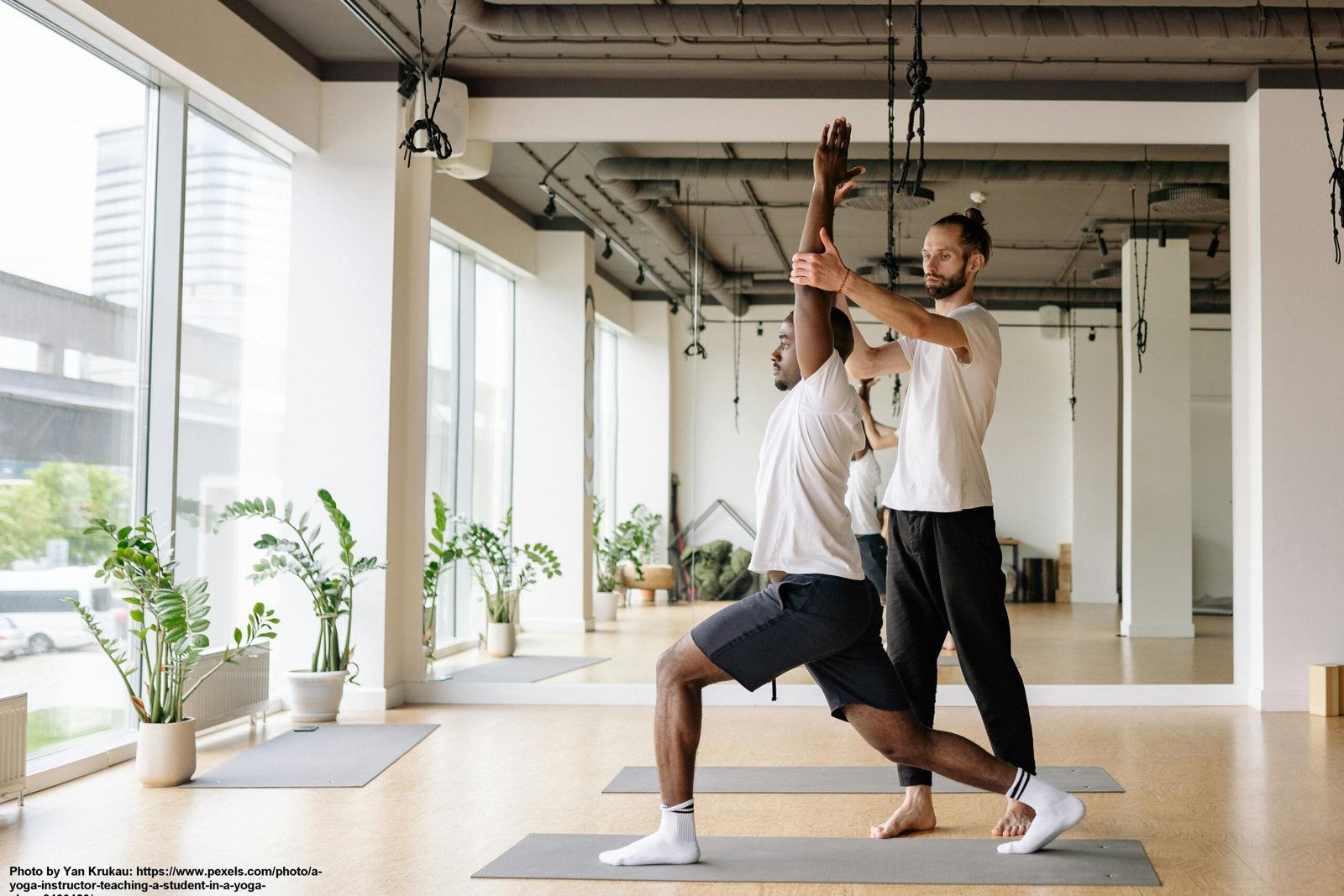
Assisted stretching is more than just flexibility work - it’s a guided approach to improving movement, posture, and overall wellbeing. In this ultimate guide, we explore how assisted stretching techniques can help you move more freely, recover effectively, and feel your best - whether you’re an athlete, office worker, or simply want to stay active and mobile.
Let’s be honest, dedicating enough time to stretching often feels like a chore, a last-minute addition to a workout, or something you skip entirely when life gets busy. We’re all aiming for that sleek, powerful, yet limber physique, but static stretches on the living room floor can feel ineffective, or worse, painful. But what if there was a way to dial up your flexibility gains dramatically, slash your recovery time, and finally address those niggling aches and pains that come with an active life?
Enter assisted stretching techniques. This is more than just having a friend yank your leg; it’s a sophisticated approach to flexibility training and mobility enhancement that’s quickly becoming a non-negotiable part of the routine for athletes, fitness enthusiasts, and anyone serious about a long, active life. It’s the difference between doing your own DIY maintenance and taking your prized classic car to a specialist for expert care.
So, pour yourself a drink, get comfortable, and let’s dive into what makes assisted stretch therapy so effective, how the pros do it, and why this might be the single best investment you can make in your physical longevity. This really is The Ultimate Guide to Assisted Stretching Techniques.
If you’ve heard the term “one-on-one stretching” bandied about, this is it. But what is assisted stretching exactly? Simply put, it involves a trained professional (a stretch therapist, physiotherapist, or certified trainer) physically moving your body into stretches that you wouldn’t be able to achieve on your own. They apply controlled force to gently push your muscles safely beyond their self-imposed limit.
How does assisted stretching work?
The mechanism is rooted in the neurophysiology of the muscle and connective tissue. When you stretch a muscle, a sensory receptor called the muscle spindle detects the change in length and speed. If you stretch too aggressively or too quickly, the spindle triggers the stretch reflex, causing the muscle to contract to prevent injury. That’s why self-stretching often feels like hitting a wall.
A skilled stretch therapist, however, works around this reflex. By using specific assisted stretching techniques, and by carefully controlling the depth and pace of the stretch, they can:
Think of it like getting the deeply embedded knots out of a rope. You can pull on the ends all day, but a pro knows exactly where and how to manipulate the fibres to release the tension. This level of precision is what makes professional assisted stretching so powerful.
In a world obsessed with performance and recovery, the appeal of assisted stretching goes far beyond feeling “a bit looser.” But what are the benefits of assisted stretching? They are significant and far-reaching, addressing everything from athletic performance to everyday well-being.
Key Benefits of Assisted Stretching
| Benefit Category | Specific Advantage | How it Helps You |
| Performance & Recovery | Improve Flexibility and Increase Range of Motion | Allows for deeper squats, bigger strides, and more explosive power by making your muscles less restrictive. Crucial for assisted stretching for athletes. |
| Assisted Stretching for Recovery and Injury Prevention | Flushes metabolic waste (like lactic acid) from muscles faster, potentially reducing muscle release stretching time and soreness (post-exercise muscle recovery). | |
| Health & Wellness | Pain Relief Stretching and Stress Relief Stretching | Can reduce chronic muscle tension, which is often a contributing factor to headaches, stiffness, and general discomfort. It’s deeply relaxing and may lower cortisol levels. |
| Assisted Stretching for Back Pain | Targeted work on tight hips and hamstrings can alleviate the strain placed on the lower back, a common source of chronic back pain or joint issues (Reis & Macedo, 2015; Kato et al., 2021). | |
| Longevity & Mobility | Mobility Enhancement for All Ages | Helps maintain and even restore functional movement, making everyday tasks easier and contributing to flexibility for seniors (Stanziano et al., 2009; Zotz et al., 2014). |
The central theme is that professional stretch therapy can help your body move better for longer, reducing the risk of a minor strain sidelining you for weeks. These are the core assisted stretching benefits that drive people to stretch clinics.

The term “assisted stretching techniques” is an umbrella covering a range of highly specialised methods. To get the most out of stretch therapy, it helps to know the language. So, what are the different types of assisted stretching that professional stretch therapists use?
Techniques Professional Stretch Therapists Use
| Technique | Acronym/Alternative Name | Description & Mechanism | Best For |
| Proprioceptive Neuromuscular Facilitation | PNF Stretching (Hold-Relax) | Involves a hold-relax or contract-relax sequence. The muscle is briefly contracted (isometric hold) against resistance, then immediately stretched deeper. This activates the Golgi Tendon Organ, causing temporary relaxation (Sharman et al., 2006). | Rapid, significant increase range of motion gains; muscle inhibition for very tight muscles. |
| Active Isolated Stretching | AIS | The therapist assists in moving the limb through its Range of motion stretching limit, holding the stretch for only 1–2 seconds, and then returning to the start. The short hold prevents the immediate activation of the stretch reflex. | Dynamic warm-ups, full-body flushes, and gentle, therapeutic flexibility improvement methods. |
| Static Assisted Stretching | Passive stretching | The therapist passively moves and holds a muscle at its end range for a sustained period (usually 30 – 60 seconds). No active muscle contraction is required from the client. | Post-workout cool-downs, general stress relief stretching. |
| Fascial Stretch Therapy | FST | A unique, table-based, full-body technique that targets the fascial lines and joint capsules. It often includes gentle traction and oscillating movements to decompress the joints before stretching. | Chronic stiffness, postural issues, and deep, full-system muscle release stretching. |
| Dynamic Assisted Stretching | Active Stretching | The therapist guides the client through controlled, often rhythmic movements to take the joints through their full range of motion. | Pre-event warm-ups for athletes, improving overall movement patterns and coordination. |
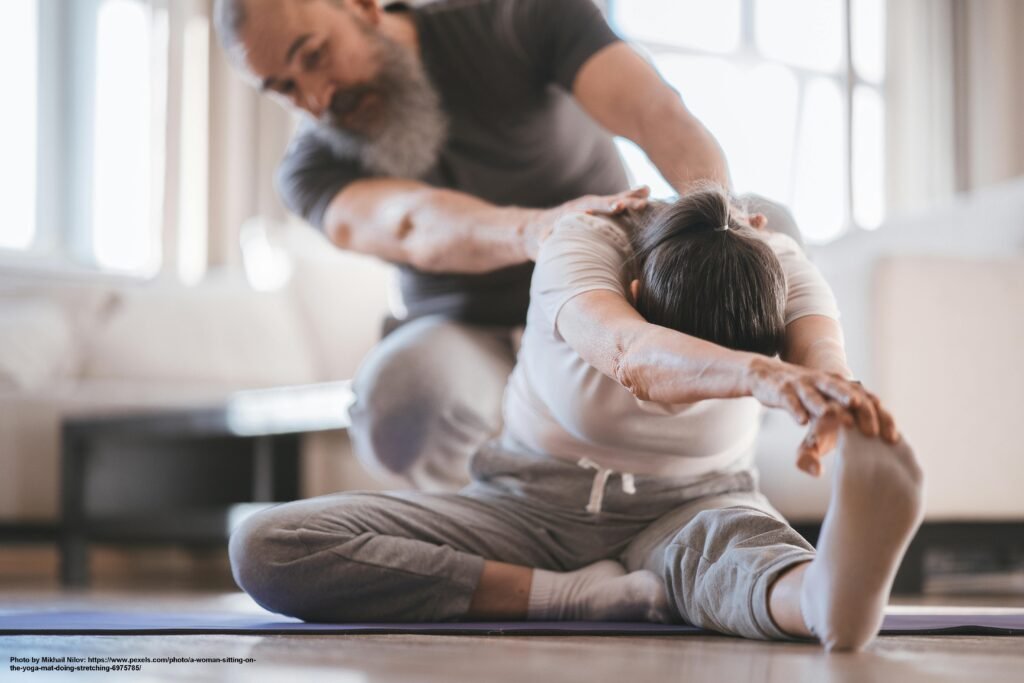
Deep Dive: PNF vs. FST
The literature consistently supports PNF stretching as a highly effective method for improving static flexibility and range of motion, often showing greater immediate gains than standard static stretching due to its neurophysiological basis (Hindle et al., 2012; Victoria et al., 2013; Lim, 2020).
Fascial Stretch Therapy (FST), on the other hand, shifts the focus. While PNF focuses intensely on the muscle itself, FST targets the entire fascial web and joint capsules. The goal is not just to lengthen the muscle belly, but to decompress the joint and improve the glide between the layers of fascia, which can feel less intense but often leads to profound, full-system relief (Chaitow, 2014; Mauntel et al., 2014; Ragunath, 2023). For addressing pervasive stiffness and structural issues, FST is often the preferred method of assisted flexibility for professional therapists.
One of the great things about stretch therapy is its versatility. It’s not a one-size-fits-all solution; it can be hyper-targeted to meet specific needs.
Assisted Stretching for Athletes and Performance
If you’re an athlete, an amateur runner, or a dedicated gym-goer, the question is: Can assisted stretching improve athletic performance? The answer is a resounding yes, provided it’s timed and executed correctly.
What are the key benefits of assisted stretching for athletes?
A word of caution based on evidence: while stretching increases range of motion, prolonged static or PNF stretching immediately before a power-based performance (like a sprint or jump) might acutely impair maximal strength. Therefore, for pre-activity, therapists often integrate dynamic assisted stretching and follow any PNF with power-based movements to mitigate this effect (Behm et al., 2016).
Assisted Stretching for Longevity and Pain Management
It’s not just about hitting personal bests; it’s about making life comfortable.
Can assisted stretching help with chronic back pain or joint issues? Absolutely. For many, persistent back pain isn’t a problem with the spine itself, but a manifestation of tightness elsewhere – typically the hamstrings, hip flexors (from prolonged sitting), or the glutes. Assisted stretching for back pain focuses on releasing tension in these adjacent muscle groups, which, in turn, can restore the pelvis to a more neutral position, relieving strain on the lumbar spine (Kato et al., 2021).
Furthermore, does assisted stretching help with flexibility for seniors? As we age, connective tissues naturally lose elasticity, making us stiffer (Viidik, 1992; Fede et al., 2022). Assisted stretching for seniors provides a gentle, safe way to maintain or improve that crucial flexibility improvement methods and mobility enhancement without the risk of overdoing it. A good therapist will tailor the session to any existing joint issues, focusing on safe and gradual gains.
Is assisted stretching safe for everyone?
While generally very safe, assisted stretching isn’t universally appropriate. If you have a recent, acute muscle tear, a fracture, severe osteoporosis, or certain joint instability conditions, you should consult with a medical professional, such as a GP or physiotherapist, before booking a stretch therapy session. A qualified therapist will always conduct a thorough intake form and assessment to ensure the session is beneficial and safe, adhering strictly to the HCPC and Chartered Society of Physiotherapy (CSP) standards in the UK.
This is the big question everyone asks: Is assisted stretching better than self-stretching?
The short answer is that they serve different purposes, but professional assistance can unlock levels of flexibility and range of motion that are simply inaccessible on your own.
| Feature | Self-Stretching (e.g., at-home static hold) | Assisted Stretching (One-on-One) |
| Depth & Effectiveness | Limited to your pain tolerance; often hits only the most superficial layer of tension. | The therapist can safely push past the stretch reflex and target deeper muscles and connective tissue using neurophysiological principles. |
| Technique & Precision | Highly prone to poor form, often stretching the wrong muscle or compensating with other body parts. | Pinpoint accuracy. The therapist isolates the target muscle/fascia for maximum benefit. They use targeted technique-specific keywords like PNF or AIS. |
| Time Efficiency | Requires long duration to see significant change. | Highly efficient. Techniques like PNF can yield rapid gains in a fraction of the time. |
| Safety | Risk of over-stretching or poor technique causing injury. | Highly controlled environment. The therapist monitors you constantly and adjusts based on your feedback, following UK professional standards. |
| Cost | Free. | Requires investment in a professional service. |
The distinction lies in the expertise. Assisted stretching offers precise active assisted stretching and passive assisted stretching with a level of control and neuro-muscular awareness that you can’t replicate alone. For those looking for serious gains and long-term joint health, it’s the superior choice.
Practicalities: What to Expect and How to Choose a Therapist
If you’re sold on the concept, your next thought is likely, “How do I start?” and “What should I expect during my first assisted stretching session?”
Your First Session and Frequency
When you walk into a quality assisted stretching studio or clinic, your first session will usually involve a detailed consultation. The therapist will ask about your:
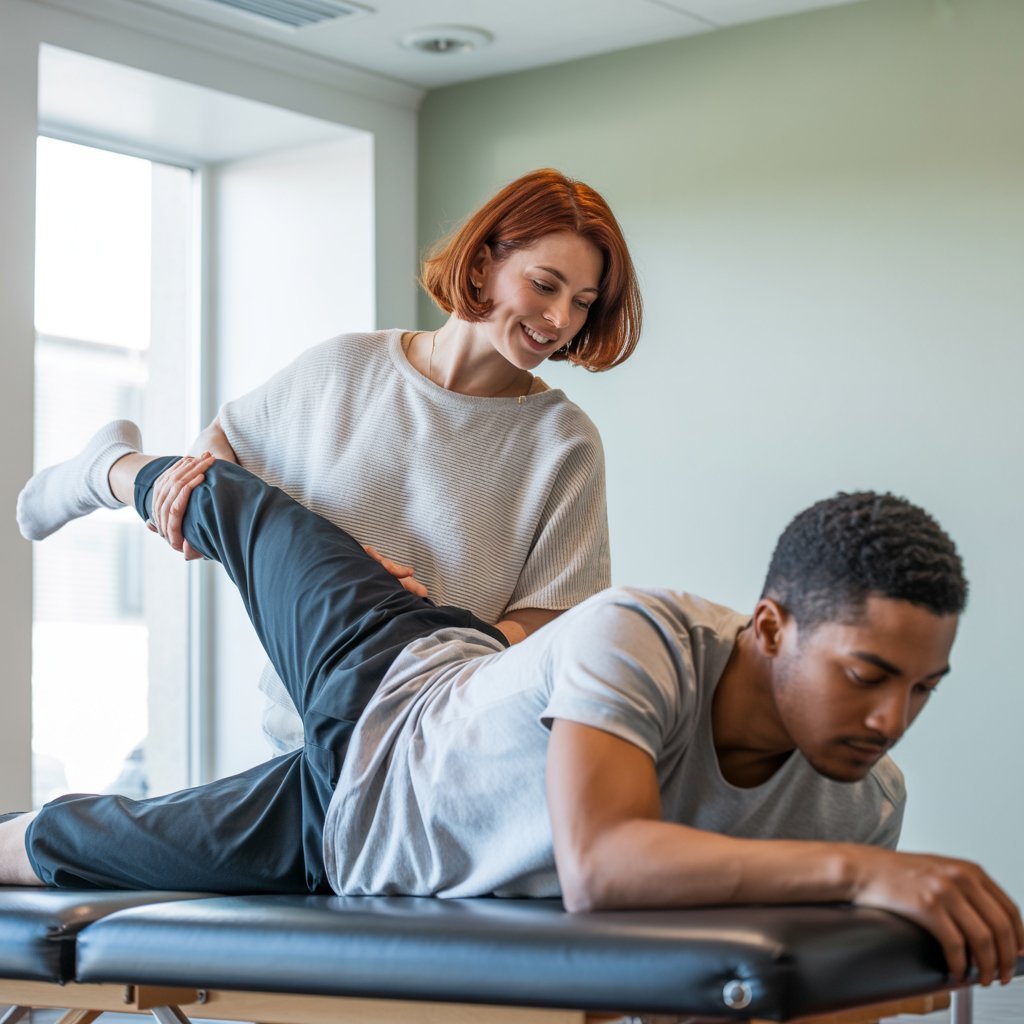
The stretching itself often takes place on a comfortable, padded table. You remain fully clothed, usually in comfortable, stretchy gear. The stretch therapist will use their body weight and leverage to apply controlled tension. Crucially, they should always be communicating with you, asking for feedback on your comfort level (the stretch should feel challenging, never sharply painful).
So, how long should an assisted stretch be held?
How often should I do assisted stretching sessions? For those looking to make a rapid improvement in chronic stiffness, weekly sessions may be recommended initially. For general maintenance and performance enhancement, once every two to four weeks is a common, sustainable frequency.
Choosing Your Stretch Therapist
What qualifications do assisted stretch therapists have? This is a vital question, especially for assisted stretching for injury recovery. You want to look for professionals with verifiable credentials:
A provider who is transparent about their training and offers a detailed service, like the professional expertise you can find listed on platforms such as StretchMasters® (visit to discover your local professional stretch therapy options), is generally a good sign of quality and trust.
Taking the Stretch Home: Tools and At-Home Stretching
While professional stretch therapy is the gold standard, maintaining your flexibility between sessions is crucial.
What are the best products or tools for at-home assisted stretching?
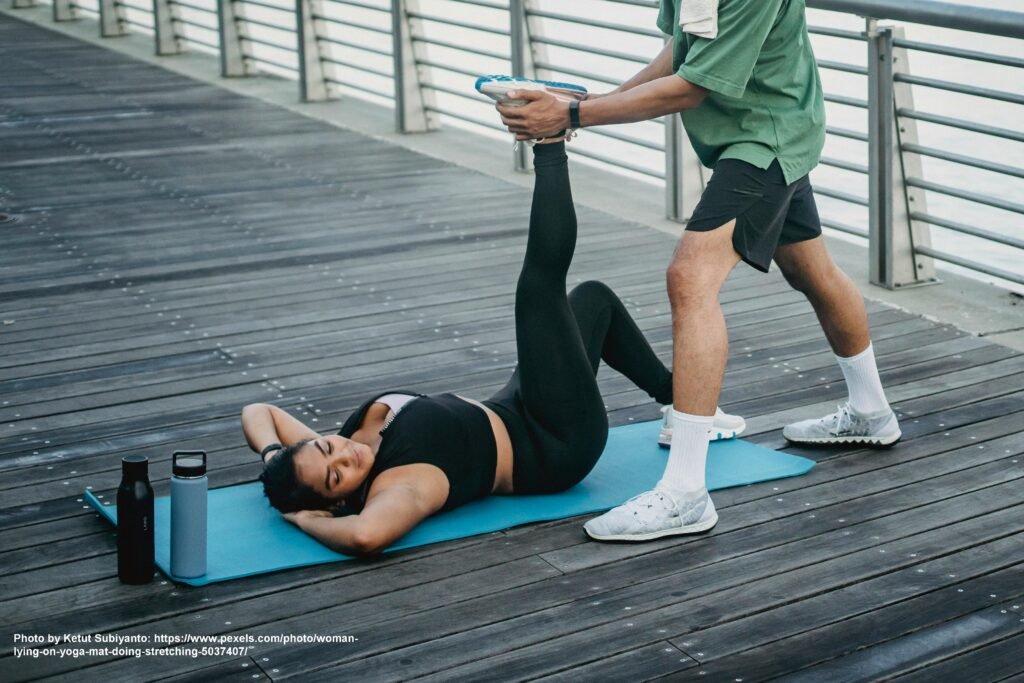
The goal of assisted stretching at home is maintenance, not attempting to replicate the intensity of a professional session. Safety and consistency are your priorities for an effective assisted stretching routine.
Conclusion: The Ultimate Investment in Your Body’s Future
We’ve covered the depth of assisted stretching techniques, from the neurophysiological mechanism of PNF stretching to the full-body, connective tissue focus of Fascial Stretch Therapy. We know that one-on-one stretching is the most effective and safest way to improve flexibility, increase range of motion, and provide powerful pain relief for conditions like chronic back pain.
The simple truth is that our bodies are our most valuable asset, and often the most neglected. Investing in professional assisted stretch therapy isn’t a luxury; it can be a strategic move to ensure your physical structure can keep up with your demanding, active life, regardless of whether you’re a weekend warrior or someone dealing with the stiffness of long working hours hunched over a desk. By incorporating these highly effective assisted stretching techniques, you’re taking a proactive step toward a more mobile, less painful future.
Ready to Experience the Difference?
Don’t let tight muscles dictate how you live, train, and recover. Find out more about the different services and discover how professional stretch therapy can be tailored to your goals. You can explore a high-quality, comprehensive stretching service to start your journey toward true flexibility and enhanced mobility today.
Related Blogs
References
Disclaimer:
The content on this blog is provided for general information and wellness purposes only. It should not be considered medical advice, diagnosis, or treatment. StretchMasters® services, including assisted stretching, are intended to support overall wellbeing and are not a substitute for professional healthcare guidance. While reasonable care has been taken in preparing and verifying the information presented in this blog, StretchMasters® makes no claims, representations, or guarantees regarding its completeness, accuracy, reliability, suitability or availability with respect to the website or the information, products, services, or related graphics contained on the website for any purpose. This content is intended for general informational purposes only and is not a scientific article. Inconsistencies, inaccuracies, or errors — including in paraphrasing and citation — may be present. Any reliance you place on such information is therefore strictly at your own risk. We strive to ensure that all information is accurate and up to date; however, due to the evolving nature of health research, we cannot guarantee that all content reflects the latest evidence. Additionally, external links shared in blog posts may change, be updated, or become inactive over time without notice. Always consult with a qualified medical professional before starting any new therapy, especially if you have existing health conditions. StretchMasters®, its parent company Skuil Ltd, and affiliated clinics accept no liability for decisions made or outcomes based on this content. Opinions expressed in individual blog posts are those of the authors and do not necessarily reflect the views or policies of StretchMasters® or its subsidiaries. Any reference to third-party organisations, websites, services, or products is not an endorsement.